

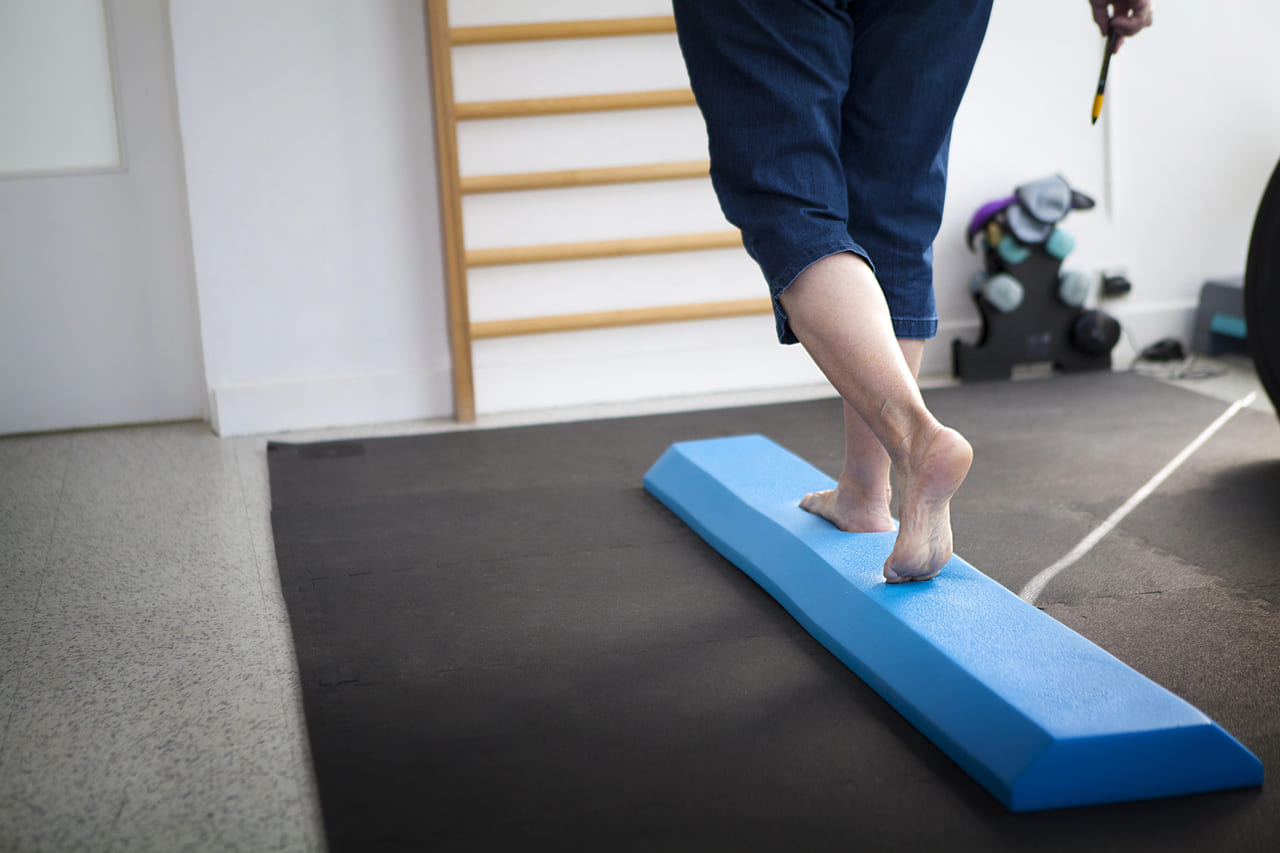
Balance is a critical component of our daily lives, influencing everything from walking to maintaining proper posture. Poor balance can significantly impact one's quality of life, leading to falls and injuries, particularly in older adults. Physiotherapy plays a vital role in addressing balance issues by employing targeted exercises and techniques. In this blog, we will explore the common causes of poor balance, how physiotherapy—particularly vestibular physiotherapy—can help, the specific techniques used, and the types of exercises recommended for improving balance.
What Are The Common Causes Of Poor Balance?
Poor balance can stem from a variety of factors, often involving the inner ear, neurological conditions, or musculoskeletal issues. Conditions such as vestibular disorders, weakness in the lower extremities, and neurological impairments can significantly affect one's ability to maintain balance. These issues are frequently seen in older adults but can affect individuals of any age.
- Muscle Weakness: Weakness in the legs and core muscles can reduce stability. This weakness may be due to inactivity, aging, or health conditions such as arthritis, leading to an increased risk of falls.
- Vestibular Disorders: These involve the inner ear and can lead to dizziness and vertigo, making balance challenging. Conditions like Meniere’s disease or labyrinthitis disrupt the signals sent to the brain about motion and position.
- Proprioception Issues: Proprioception refers to the body’s ability to sense movement and position. Conditions affecting proprioception, like peripheral neuropathy, impair balance by reducing sensory feedback.
- Neurological Conditions: Disorders such as Parkinson’s disease, multiple sclerosis, or stroke can impair the nervous system's ability to communicate with muscles, affecting coordination and balance.
- Medications: Some medications have side effects that cause dizziness or lightheadedness, impacting balance. Common culprits include sedatives, antidepressants, and blood pressure medications.
- Visual Impairments: Poor vision can affect spatial orientation and balance. Conditions like cataracts or macular degeneration reduce visual input necessary for maintaining balance.
In summary, poor balance can arise from a complex interplay of vestibular, muscular, neurological, and sensory factors. Addressing these can significantly enhance balance and stability in daily life.
How Can Vestibular Physiotherapy Help In Improving Balance?
Vestibular physiotherapy is a specialized form of treatment focused on alleviating dizziness, vertigo, and other balance-related symptoms associated with vestibular disorders. This approach involves exercises that recalibrate the brain's response to signals from the inner ear, thereby enhancing balance and coordination.
- Habituation Exercises: These involve repeated exposure to specific movements that trigger dizziness, helping the brain adapt and reduce symptoms over time.
- Canalith Repositioning Maneuvers: Techniques such as the Epley maneuver are used to treat benign paroxysmal positional vertigo (BPPV) by repositioning displaced crystals in the inner ear.
- Gaze Stabilization Exercises: These exercises aim to improve vision stability during head movements, which is crucial for maintaining balance.
- Balance Retraining Exercises: Tailored exercises designed to improve coordination and balance by challenging the body’s balance systems, often using unstable surfaces.
- Strength and Conditioning: Targeted exercises to enhance muscle strength, particularly in the legs and core, providing better support and control.
- Education and Lifestyle Counselling: Advising individuals on lifestyle changes and home exercises that support recovery and prevent future balance issues.
Overall, vestibular physiotherapy offers a comprehensive approach to improving balance by focusing on both the vestibular system and overall physical fitness.
How Long Does It Take To See Results From Balance Training?
The timeframe to see results from balance training varies based on individual factors such as the underlying cause of balance issues, the individual's overall health, and the frequency of training sessions. Some people may notice improvements in as little as four weeks, while others might require several months of consistent practice to achieve significant changes. Key factors include the severity of the balance impairment, the specific exercises used, and the individual's commitment to the rehabilitation process.
Generally, a combination of supervised sessions and at-home exercises leads to more rapid improvements. Progress is typically assessed through regular evaluations, allowing adjustments to the training regimen as needed to optimize outcomes.
Overall, while the time to see results from balance training can vary, consistent practice and adherence to a tailored physiotherapy program are crucial for achieving the best outcomes.
What Types Of Balance Exercises Do Physiotherapists Recommend?
Physiotherapists recommend a variety of exercises to improve balance, focusing on strengthening, coordination, and sensory integration. These exercises can be adapted to suit different fitness levels and specific balance challenges.
| Single-Leg Stands | Standing on one leg helps improve balance by challenging the body's proprioceptive system. This can be made more challenging by closing the eyes or standing on an unstable surface. |
| Heel-To-Toe Walk | Walking in a straight line with the heel of one foot touching the toes of the other foot enhances coordination and balance. |
| Tai Chi | This gentle martial art emphasizes slow, controlled movements that enhance balance, flexibility, and strength. |
| Balance Beam Exercises | Walking along a balance beam or a narrow line on the floor improves stability and coordination. |
| Dynamic Balance Exercises | Activities that involve shifting weight, such as stepping over obstacles or reaching in various directions, improve dynamic balance. |
| Resistance Band Exercises | Using resistance bands to perform exercises like leg lifts increases muscle strength and stability. |
The key takeaways are that physiotherapists use a range of exercises tailored to individual needs, focusing on improving strength, coordination, and sensory integration for better balance.
How Does Physiotherapy Address Balance Issues In Neurological Conditions?
Physiotherapy addresses balance issues in neurological conditions by targeting the specific impairments that affect balance and coordination. Techniques are customized to the individual's needs, focusing on improving strength, coordination, and sensory feedback.
- Neurodevelopmental Techniques: These are used to facilitate normal movement patterns in individuals with conditions like cerebral palsy, promoting better balance and coordination.
- Task-Oriented Training: Exercises that mimic daily activities, helping individuals relearn motor skills and improve functional balance.
- Functional Electrical Stimulation (FES): This technology uses electrical impulses to stimulate muscles weakened by neurological impairments, enhancing strength and balance.
- Gait Training: Focuses on improving walking patterns, using assistive devices as needed, to enhance balance and mobility.
- Vestibular Rehabilitation: For conditions affecting the vestibular system, exercises are designed to improve gaze stability and reduce dizziness.
- Balance Retraining: Tailored exercises to improve dynamic and static balance, often incorporating feedback from various sensory systems.
In summary, physiotherapy offers tailored interventions for neurological conditions, focusing on improving balance through strength, coordination, and sensory integration.
Can Physiotherapy Reduce The Risk Of Falls In Older Adults?
Physiotherapy can significantly reduce the risk of falls in older adults by improving strength, balance, and coordination. Through targeted exercises and interventions, physiotherapists address the underlying factors contributing to falls, such as muscle weakness, poor balance, and impaired mobility. Balance training, strength exercises, and gait retraining are commonly used to enhance stability and confidence in movement. Additionally, physiotherapists provide education on fall prevention strategies and environmental modifications, further reducing fall risk. By addressing these areas, physiotherapy not only reduces the likelihood of falls but also improves overall mobility and quality of life for older adults.
In short, physiotherapy plays a crucial role in fall prevention for older adults, addressing key risk factors and enhancing stability, strength, and coordination.
What At-Home Physiotherapy Exercises Can Help Improve Balance?
At-home physiotherapy exercises can effectively improve balance by focusing on strength, coordination, and proprioception. These exercises are easy to incorporate into daily routines and can be customized to individual fitness levels.
| Toe and Heel Raises | Standing on both feet, lift the heels to stand on the toes, then lower back to the floor. This exercise strengthens the calves and improves balance. |
| Chair Squats | Using a chair for support, perform squats to strengthen the legs and core, enhancing overall stability. |
| Side Leg Raises | Standing sideways to a wall for support, lift one leg to the side to improve hip strength, crucial for balance. |
| Marching on the Spot | Lift knees alternately as if marching to improve coordination and leg strength. |
| Balance Walk | Walk in a straight line, placing one foot directly in front of the other, to enhance balance and coordination. |
| Standing March | While holding onto a stable surface, alternate lifting each knee to hip height. |
In summary, these at-home exercises are designed to strengthen key muscle groups and improve coordination, significantly enhancing balance.
What Lifestyle Changes Complement Physiotherapy For Better Balance?
Lifestyle changes can complement physiotherapy by enhancing overall health and supporting balance improvement efforts. These changes focus on physical activity, nutrition, and environmental modifications.
- Regular Exercise: Engaging in regular physical activity, such as walking, swimming, or cycling, supports cardiovascular health and muscle strength, contributing to better balance.
- Healthy Diet: A balanced diet rich in calcium and vitamin D supports bone health, while adequate hydration ensures optimal muscle function.
- Footwear Choices: Wearing supportive, non-slip shoes reduces the risk of falls and supports proper alignment and balance.
- Home Safety Modifications: Removing tripping hazards, installing grab bars, and ensuring adequate lighting can significantly reduce fall risk.
- Mindfulness and Relaxation: Practices such as yoga and meditation can improve body awareness and reduce stress, aiding balance.
- Adequate Sleep: Ensuring sufficient rest enhances cognitive function and physical performance, crucial for maintaining balance.
To sum up, adopting these lifestyle changes can enhance the effectiveness of physiotherapy, leading to improved balance and reduced fall risk.
Find Your Footing Again
Improving balance through physiotherapy is a multifaceted approach that can significantly enhance one’s quality of life. By addressing the underlying causes of balance issues and implementing targeted exercises, individuals can achieve better stability and confidence in their movements.
Ottawa Physical Rehab Clinic offers tailored physiotherapy programs designed to meet the unique needs of each client. If you’re ready to take the first step towards enhanced balance and mobility, contact us for personalized support and guidance from our experienced healthcare providers.
Frequently Asked Questions
How Can Physiotherapy Improve Balance?
Physiotherapy improves balance by addressing muscle strength, coordination, and sensory integration. Through targeted exercises and techniques, physiotherapists help individuals enhance their stability, reduce dizziness, and improve overall mobility and confidence.
Are There Specific Exercises For Older Adults To Prevent Falls?
Yes, physiotherapists recommend exercises such as balance training, strength exercises, and gait retraining specifically designed for older adults. These exercises focus on enhancing stability, coordination, and strength to reduce the risk of falls.
What Should I Expect During A Physiotherapy Session For Balance Issues?
During a physiotherapy session, you can expect an assessment of your balance challenges, followed by a tailored exercise program. The physiotherapist will guide you through exercises and techniques designed to enhance balance and address any contributing factors.
How Often Should Balance Exercises Be Performed?
Balance exercises should ideally be performed regularly, often several times a week, to achieve the best results. The frequency may vary depending on individual needs and the specific balance issues being addressed.
Can Physiotherapy Help With Balance Issues In Children?
Yes, physiotherapy can help children with balance issues by using age-appropriate exercises and techniques. These interventions focus on improving coordination, strength, and sensory integration, tailored to the child’s developmental needs.